
Installation planning · 3 min read
Common Tile Leveling Installation Mistakes
Review preparation, component compatibility, tightening, curing and removal mistakes before using a tile leveling system on a professional project.
Problems with a leveling system often begin before the first wedge is tightened. The tile assembly, component combination and work sequence should already be agreed. A troubleshooting approach that considers only the plastic clip can miss the underlying cause.
Use this checklist to review the planned method with the installer. Follow the selected product and adhesive instructions for actual placement, pressure, curing and removal; this guide does not establish universal settings.
Expecting the system to correct preparation problems
Confirm substrate readiness, tile condition and the approved setting-material method before using leveling components. If adjacent tiles cannot be installed with the required support and alignment, investigate the assembly rather than relying on the wedge to conceal the problem. A visibly aligned top surface is only one part of a successful installation. Keep the substrate and bedding checks in the installer’s method statement so they do not disappear behind the convenience of an accessory system.
Mixing unverified components
A clip may accept a wedge physically without being the approved pairing. An applicator may also contact the assembly differently from the intended tool. Keep manufacturer or supplier references on the site boxes and identify the component set used in the trial area. If a substitute is proposed, repeat the compatibility review before using it throughout the project. Colour coding should only be interpreted using the selected supplier's information; it is not a universal system shared by all brands.
Using force as the main adjustment
RUBI's DELTA instructions advise controlled tightening and avoiding overtightening. The transferable lesson is to follow the chosen system's pressure method, not to copy a number or setting from another tool. If a clip repeatedly fails or the tile surface is being marked, inspect the component match, tile assembly and tool setup. More force is not a reliable diagnostic. Agree a method that achieves the intended alignment without treating the tile or component as a test of maximum strength.
Technical reference: RUBI: DELTA leveling-system component and installation guide
Guessing curing time or removal direction
Removal timing belongs with the adhesive and system instructions. Site conditions and the selected materials should be reviewed by the installer rather than replaced with a universal number of hours from an online example. Confirm how the system is intended to separate and how the joints will be prepared afterward. If a component leaves an obstruction or behaves differently from the instructions, investigate before grouting conceals the issue. Protect the tile surface during the approved removal procedure.
Failing to record a successful trial
A trial is useful only if its approved materials and method are recorded. Identify the tile, adhesive, clips, wedges and tool, together with the responsible installer and relevant instructions. Keep the agreed joint layout available to the team. For a distributor, preserve the component references when supplying follow-up quantities. For a contractor, check that a new batch of accessories matches the approved set before work resumes in another area. This prevents an otherwise repeatable method changing unintentionally.
- Review substrate and tile assembly before blaming the clip.
- Check component references and the applicator setup.
- Follow the selected tightening, curing and removal instructions.
- Inspect a representative area before extending the method.
Frequently asked questions
Why are clips breaking during tightening?
Possible issues include component mismatch, tool setup, pressure or the tile assembly. Review the selected system's instructions and a representative trial rather than assuming a single cause from a photograph.
Is there a universal removal time?
No. Use the relevant adhesive and leveling-system instructions with the actual site conditions. The FIRST METAL family images do not establish a curing period.
Discuss your project detail
Send the profile reference, application, drawings and quantity requirements. Include the points from this guide that need confirmation for your project.
Technical references and scope
Product-specific information comes from the linked FIRST METAL catalogue records. External manufacturer examples explain principles; their dimensions, ratings and compatibility are not transferred to FIRST METAL products.
- RUBI: DELTA leveling-system component and installation guide
Clips, wedges, controlled tightening and adhesive curing. RUBI compatibility ranges and marketing guarantees are not adopted.
Products for this detail
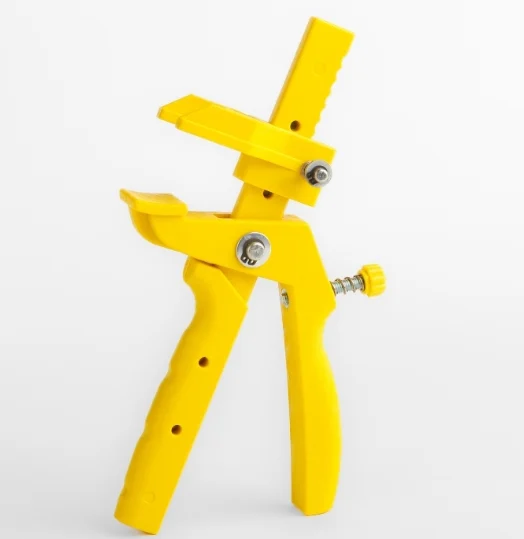
Tile Leveling Pliers
Applicator pliers assist wedge insertion and adjustment in a compatible tile leveling system. Tool selection depends on the component design and installation orientation; the illustrated tools are references for a specification enquiry.
Enquire about this product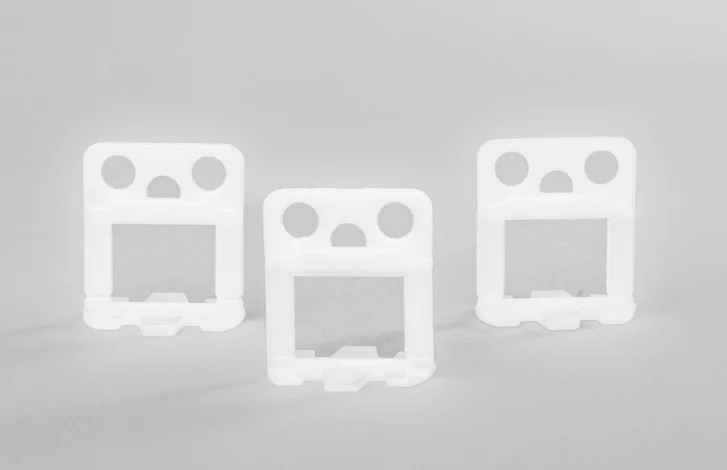
Tile Leveling Clips
Clips sit at tile joints with their base beneath adjacent tile edges. Used with a compatible wedge, they help control relative edge height while the tiles are installed. Select the clip to suit the tile build-up and intended joint.
Enquire about this product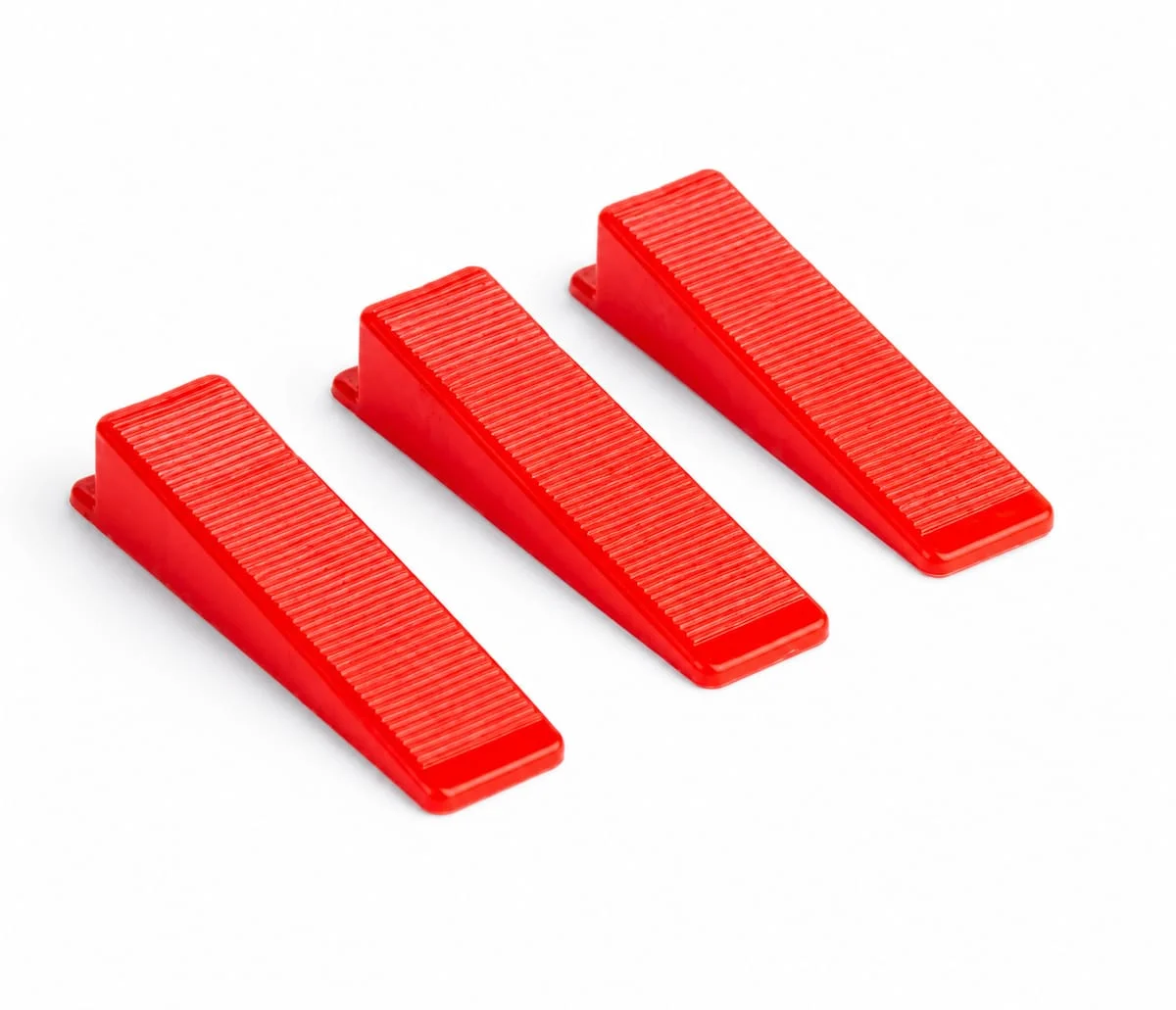
Tile Leveling Wedges
A tapered wedge passes through the opening of a compatible leveling clip to assist adjacent-tile alignment. The supplied reference shows toothed wedges; their dimensions and engagement must match the selected clip system.
Enquire about this productContinue reading
Technical guide · 3 min read
How Tile Leveling Systems Work
Understand the roles of tile leveling clips, wedges, pliers and spacers, and prepare a compatible component set for a professional installation.
Selection guide · 3 min read
How to Choose the Right Aluminium Tile Trim
Choose aluminium tile trim by tile build-up, visible edge, anchoring detail and environment. Prepare the right information for a specification enquiry.
Installation planning · 3 min read
Planning Profiles for Floors, Stairs and Balcony Edges
Prepare floor-transition, stair-nosing and balcony-edge enquiries using the actual build-up, exposure and junction detail, without assuming performance ratings.